

As a carpenter with over a decade of experience designing and building furniture, cabinetry, and custom installations, I’ve learned that the choice of material can define the success of any project. For me, Plywood has consistently proven its value. Its strength, adaptability, and reliability make it ideal for projects ranging from delicate interior furniture to heavy-duty workbench surfaces.
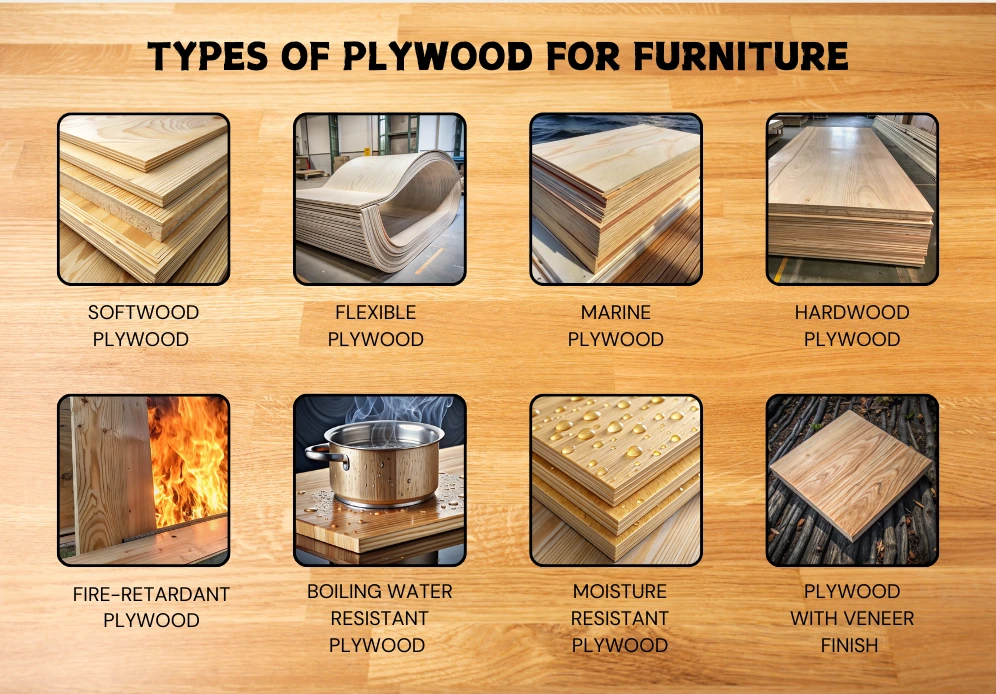
I remember a client a few years back who wanted a large, open shelving system for their living room. They were hesitant about using plywood, worried it might sag under the weight of books and decorative items. I recommended marine-grade plywood, which resists warping and offers excellent load-bearing strength. Once installed, the shelves not only held the weight perfectly but also provided a smooth, professional finish that elevated the entire space. That experience reinforced for me how crucial selecting the right type of plywood is to achieving both durability and aesthetics.
Another situation that stands out occurred last spring. A customer brought in plywood sheets they had purchased from a local supplier to build kitchen cabinets. Within weeks, some boards began warping due to the room’s humidity. After inspecting the material, it was clear that it was a low-grade interior plywood unsuitable for damp conditions. I advised switching to exterior-grade plywood, which performed flawlessly. The cabinets held their shape, looked polished, and required minimal finishing. This incident reminded me how common it is to see projects compromised by using the wrong plywood grade.
I also had a workshop renovation where I needed durable surfaces for several heavy-duty workbenches. I chose Baltic birch plywood for its consistent layers and smooth finish. Years later, these benches still withstand hammering, cutting, and paint spills, while maintaining a professional appearance. It’s a clear example of how investing in high-quality plywood pays off over the long term.
From my hands-on experience, there are practical lessons worth sharing. Cutting plywood with dull blades often causes splintering, while leaving edges unsealed can allow moisture to penetrate and warp the boards. I always measure carefully, cut precisely, and seal exposed edges with veneer tape or polyurethane. These small steps can dramatically increase the lifespan of any plywood project.