

I’ve spent the last decade working as a wig stylist in a busy salon, and one thing I’ve learned quickly is that most people shop for human hair wigs with a mix of excitement and uncertainty. That makes sense. A good wig can change how you feel the moment you put it on, but a bad choice can leave you frustrated, uncomfortable, and convinced wigs just are not for you. In my experience, the difference usually comes down to texture, cap construction, and whether the buyer is honest about how much styling work they actually want to do.
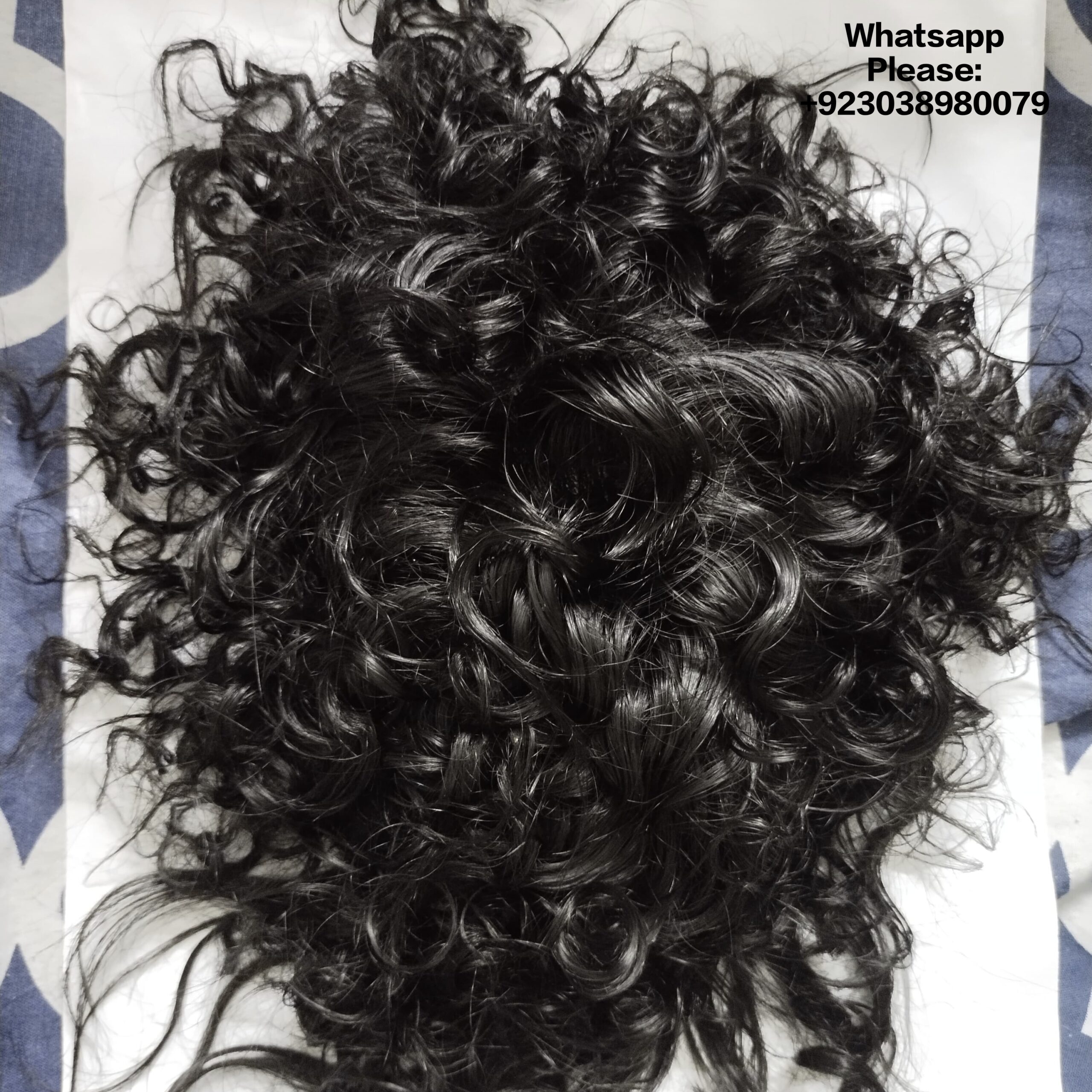
I remember helping a client last spring who came in after buying a very dense wig online because she thought “more hair” would look more luxurious. The opposite happened. It overwhelmed her face, felt hot after an hour, and needed constant trimming just to look natural. We switched her into a lighter-density human hair piece with a lace front, and the relief on her face was immediate. That is one of the most common mistakes I see: people focus on length first, but density and hairline matter just as much.
Human hair wigs earn their reputation for a reason. They move more naturally, respond better to heat styling, and usually blend more convincingly than synthetic alternatives. I recommend them most often to women who want flexibility. If you like curling, straightening, or changing your part from time to time, human hair gives you room to do that without the stiff shine that often gives away a lower-end synthetic unit.
That said, I do not think the most expensive option is automatically the smartest one. I have seen customers spend several hundred dollars more on features they never use. If you wear your wig mainly for errands, work, or everyday convenience, you may not need the fullest cap or the longest length. A well-made bob or shoulder-length style often looks more believable and is much easier to maintain.
Another situation that sticks with me involved a woman preparing to return to work after a period of medical hair loss. She was nervous about everyone noticing. We tried on a few pieces, and the one she loved most was not the thickest or the glossiest. It was the one that looked closest to how her hair used to fall around her temples. That moment reinforced something I tell clients all the time: the best wig is not the one that looks dramatic on a mannequin. It is the one that makes you stop thinking about your hair and get on with your day.
I usually advise buyers to pay close attention to the cap before they fall in love with the style. If the cap scratches, shifts, or feels heavy in the first few minutes, it will only get more annoying later. I have also found that beginners do better with styles that are wearable straight out of the box instead of units that require a lot of plucking, bleaching, or customization.